





Collagen Peptides: Benefits, Uses, and What to Know Before You Start
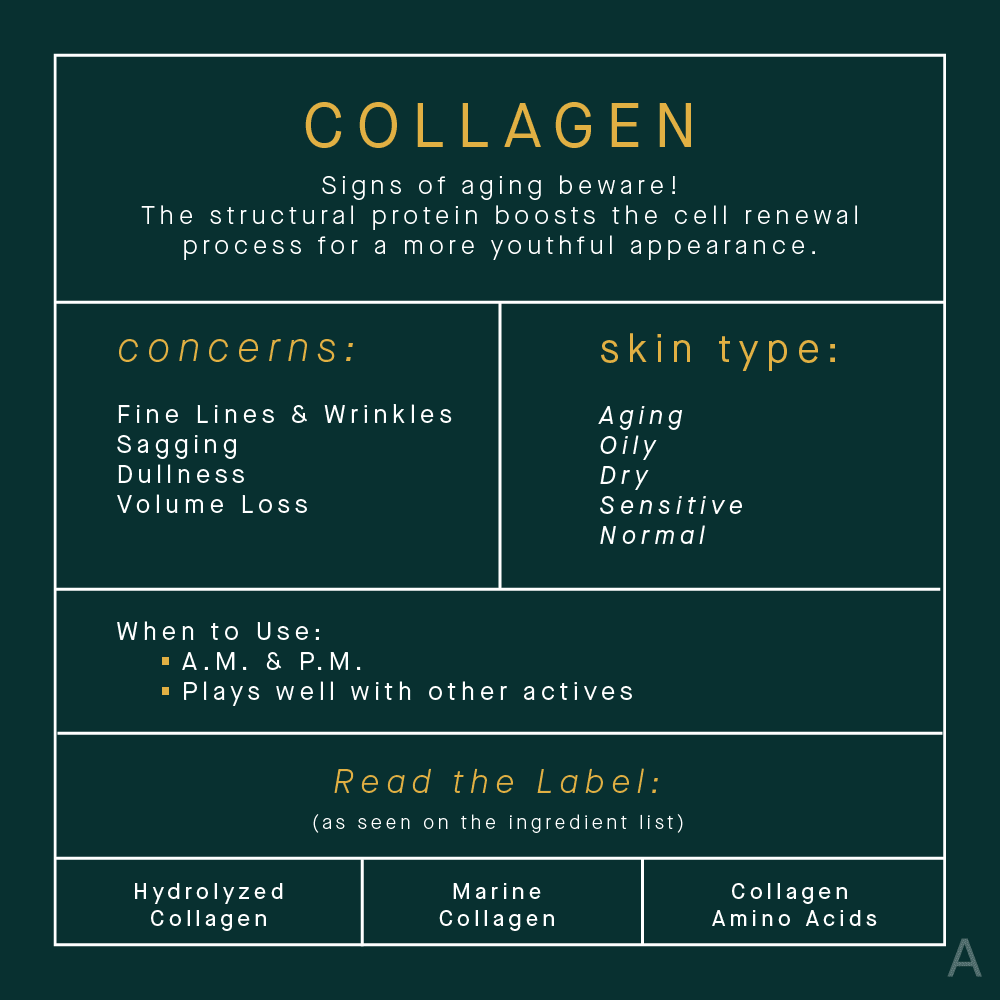
As interest in wellness and healthy aging continues to grow, many people are adding Collagen peptides to their daily routines. These supplements are widely used to support skin, joints, bones, and connective tissues because collagen is the body’s most abundant structural protein. Hydrolyzed collagen peptides are broken into smaller amino acid chains, making them easier to digest and absorb than intact collagen. While research suggests they may offer benefits for some individuals, they work best as part of a balanced diet and healthy lifestyle rather than as a standalone solution.
Collagen naturally exists in skin, cartilage, tendons, ligaments, bones, and blood vessels. As we age, the body’s collagen production gradually declines, which contributes to visible skin aging and changes in joint and connective tissue health. This natural process is one reason collagen supplements have become increasingly popular.
What Are Collagen Peptides?
Collagen peptides are short chains of amino acids produced by breaking down collagen through a process called hydrolysis. Because they dissolve easily in liquids and have a relatively neutral taste, they’re commonly added to coffee, smoothies, yogurt, soups, and protein shakes.
Unlike complete collagen fibers found in the body, these smaller peptides are designed for convenient supplementation and easy digestion. Their amino acid profile includes glycine, proline, and hydroxyproline, which are important building blocks used throughout connective tissues.
Potential Benefits
Research into collagen supplementation continues to expand. Although results vary between individuals, studies suggest collagen peptides may help support several aspects of health.
Potential benefits include:
- Supporting skin hydration and elasticity
- Helping maintain joint comfort
- Supporting healthy connective tissue
- Contributing to normal bone health
- Supporting healthy hair and nails
- Providing protein-building amino acids
These benefits are generally modest and develop gradually with consistent use over time rather than immediately.
Who May Benefit?
Collagen peptides are commonly used by adults looking to support overall wellness, including:
- Active individuals
- Older adults
- Fitness enthusiasts
- People interested in skin health
- Individuals seeking additional dietary protein
Some younger people are also interested in collagen supplements. However, experts recommend that teenagers approach peptide supplements carefully and discuss them with a healthcare professional before use, especially because research in adolescents remains limited.
Powder or Capsules?
Collagen peptides are available in several convenient forms.
Powder
Powder is one of the most popular options because it mixes easily into beverages and foods. It also allows users to adjust serving sizes according to product directions.
Capsules
Capsules provide a convenient alternative for people who prefer a portable, pre-measured serving without mixing powders into drinks.
The best option depends on personal preference, lifestyle, and daily routine rather than effectiveness.
What to Look for When Choosing a Product
Not all collagen supplements are formulated the same way.
When comparing products, consider:
- Hydrolyzed collagen peptides
- Clearly listed ingredients
- Third-party quality testing
- Minimal unnecessary additives
- Reputable manufacturing practices
- Transparent sourcing information
Choosing products from established manufacturers helps provide greater confidence in quality and consistency.
Supporting Collagen Naturally
Supplements can complement healthy habits, but they should not replace them.
Your body also relies on good nutrition and lifestyle choices to support collagen production.
Helpful habits include:
- Eating enough dietary protein
- Consuming vitamin C-rich fruits and vegetables
- Staying hydrated
- Exercising regularly
- Getting adequate sleep
- Protecting skin from excessive sun exposure
These habits contribute to overall health while supporting the body’s natural collagen production.
Setting Realistic Expectations
Collagen peptides are not a quick fix. Most studies showing positive outcomes involve consistent daily use over several weeks or months.
Individual results depend on many factors, including:
- Age
- Overall nutrition
- Activity level
- Existing health conditions
- Product quality
Current research suggests collagen peptides may provide measurable support for skin hydration, elasticity, and joint health in some individuals, but they should not be viewed as a substitute for medical care or a balanced diet.
Safety Considerations
Collagen supplements are generally considered well tolerated for most healthy adults. Mild digestive discomfort may occur in some people, and individuals with allergies to the product’s source ingredients should carefully review labels before use.
For teenagers, pregnant individuals, people with medical conditions, or anyone taking prescription medications, consulting a healthcare professional before beginning supplementation is recommended. Experts also advise caution with peptide products that make exaggerated performance or anti-aging claims, particularly those that are not well studied or independently tested.
Conclusion
Collagen peptides offer a convenient way to supplement one of the body’s most important structural proteins. While they are not a cure-all, growing research suggests they may support healthy skin, joints, bones, and connective tissues when combined with a nutritious diet and healthy lifestyle. Choosing a quality product and maintaining realistic expectations are important steps toward making informed wellness decisions.
For premium wellness products and educational resources on collagen, nutrition, and healthy living, visit BioOptimal Supplements. Their collection emphasizes quality ingredients, transparent sourcing, and evidence-informed information to help consumers make confident choices about their daily supplement routine.