




If you’re planning a new fence for your property, choosing experienced fencing installers Philadelphia homeowners can trust is only one part of the process. A successful fence installation requires careful planning, from selecting the right material and determining your property boundaries to understanding local requirements, preparing the site, and setting a realistic budget.
Whether you’re installing a fence around a residential property, securing a commercial site, or replacing an aging fence, planning ahead can help prevent costly mistakes and ensure the finished fence meets your needs.
This guide covers everything Philadelphia property owners should consider before starting a fence installation project.
Why Proper Fence Planning Matters
A fence is more than a boundary around your property. Depending on the design and material, it can provide:
- Privacy
- Security
- Pet containment
- Child safety
- Property definition
- Curb appeal
- Protection for commercial properties
- A finished look for landscaping
Poor planning, however, can result in problems such as incorrect property lines, unsuitable materials, drainage issues, unexpected costs, or a fence that doesn’t accomplish what you intended.
Taking time to plan before installation makes it easier to choose the appropriate fence and communicate your expectations to your contractor.
1. Determine Why You Need a Fence
Start by identifying the primary purpose of your fence.
Different goals require different fencing solutions.
Privacy
If your main goal is privacy, consider a taller fence with limited visibility through the panels. Wood and certain vinyl designs can be effective options depending on the property’s requirements.
Security
For security-focused installations, durability and visibility may be more important than complete privacy. Aluminum, steel, and chain-link fencing can be considered depending on the property.
Pets
If you’re fencing your yard for a dog, think about the dog’s size, behavior, and ability to dig or jump. The spacing between fence components and the height of the fence are particularly important.
Curb Appeal
If appearance is your priority, consider how the fence will complement your home’s architecture and landscaping. Aluminum and decorative fencing can create a more open appearance, while wood can provide a traditional look.
Commercial Security
Commercial properties may require fencing designed to control access, protect equipment, define restricted areas, or improve site security.
Clearly identifying your goal makes the rest of the planning process easier.
2. Check Your Property Lines Before Installation
One of the most important steps is determining exactly where your property begins and ends.
Never assume an existing fence marks the legal property boundary.
Older fences may have been installed incorrectly, or property boundaries may have changed because of previous improvements or surveys.
Before installation:
- Review available property records.
- Locate existing boundary markers if possible.
- Check your property survey.
- Discuss uncertain boundaries with the appropriate professional.
- Make sure the proposed fence location is agreed upon before installation begins.
If you’re uncertain about your boundary, a professional land survey may be worthwhile.
This step is especially important when properties are close together, as even a small placement error can create disputes with neighbors.
3. Understand Philadelphia Requirements
Before installing a fence, determine whether your project requires permits, approvals, or compliance with applicable Philadelphia regulations.
Requirements can vary depending on factors such as:
- Fence height
- Property type
- Fence location
- Zoning
- Front-yard versus rear-yard placement
- Corner-lot conditions
- Commercial versus residential use
- Visibility near streets or intersections
Don’t rely solely on what a neighbor’s fence looks like. Their fence may have been installed under different rules or circumstances.
A professional fencing contractor can help you identify which requirements need to be considered before installation.
4. Consider the Fence Location Carefully
Once your property boundaries are established, determine exactly where the fence should go.
Consider:
- Property lines
- Existing structures
- Driveways
- Sidewalks
- Trees
- Landscaping
- Utility lines
- Drainage
- Gates
- Neighboring properties
A fence that looks straightforward on paper can become more complicated once existing landscaping and structures are taken into account.
For example, large trees may interfere with post placement, while underground utilities can affect where digging can safely occur.
5. Choose the Right Fence Material
The material you select affects the fence’s appearance, durability, maintenance requirements, and cost.
Wood Fencing
Wood remains popular because of its traditional appearance and versatility.
Advantages:
- Natural appearance
- Multiple design options
- Can be stained or painted
- Suitable for privacy applications
Considerations:
- Requires maintenance
- Can deteriorate over time
- Vulnerable to moisture and insects
- May require periodic staining or painting
Aluminum Fencing
Aluminum can provide a clean, decorative appearance while requiring relatively little maintenance.
Advantages:
- Low maintenance
- Resistant to rust
- Lightweight
- Attractive appearance
- Available in various styles
It may be particularly suitable when you want security or property definition without completely blocking the view.
Vinyl Fencing
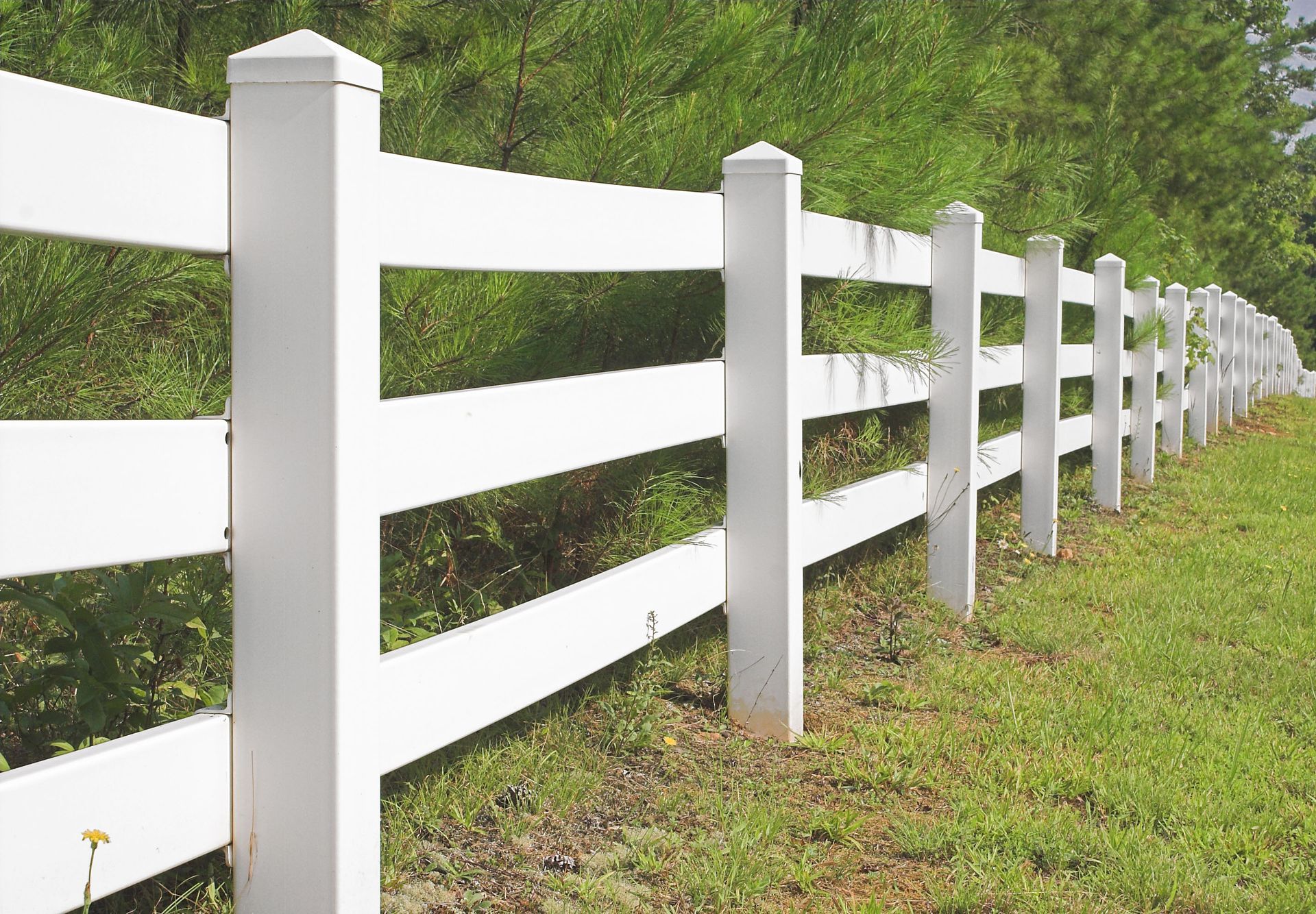
Vinyl fencing is another option for homeowners looking for a low-maintenance solution.
Advantages:
- Doesn’t require regular painting
- Resistant to moisture
- Available in multiple styles
- Easy to maintain
Chain-Link Fencing
Chain-link fencing is commonly used when practicality, visibility, and affordability are important.
It can be useful for:
- Pet areas
- Utility areas
- Commercial properties
- Perimeter fencing
- Security applications
Privacy screening can also be incorporated into some chain-link installations.
6. Choose the Appropriate Fence Height
Fence height should be based on the purpose of the installation as well as applicable regulations.
For example:
- A decorative boundary may not require a tall fence.
- A privacy fence may require greater height.
- A pet fence needs to be high enough to prevent jumping.
- A commercial security fence may require a specific configuration.
Before choosing a height, confirm that the proposed design complies with applicable local requirements.
7. Plan Your Gates
A fence isn’t complete without considering how people, vehicles, and equipment will move through the property.
Think about how many gates you need and where they should be located.
Pedestrian Gates
Pedestrian gates work well for:
- Backyard access
- Side entrances
- Garden areas
- Walkways
Driveway Gates
If vehicles need to enter the property, you’ll need a wider gate.
Consider:
- Vehicle width
- Gate swing direction
- Driveway layout
- Available clearance
- Automatic versus manual operation
Commercial Gates
Commercial properties may need larger access gates for trucks, equipment, employees, or deliveries.
Planning gate placement at the beginning prevents inconvenient modifications later.
8. Consider Philadelphia’s Weather and Seasonal Conditions
Philadelphia experiences hot summers, cold winters, precipitation, and freeze-thaw cycles.
Your fence should be selected and installed with local weather conditions in mind.
Important considerations include:
- Moisture exposure
- Freezing temperatures
- Ground movement
- Drainage
- Wind exposure
- Material durability
- Post stability
Proper post installation is particularly important because the posts provide much of the fence’s structural support.
9. Think About Drainage
Water management is an often-overlooked part of fence planning.
If water consistently collects around fence posts or panels, it can contribute to deterioration and other long-term problems.
Before installation, examine:
- Sloped areas
- Low spots
- Existing drainage paths
- Downspout locations
- Areas prone to standing water
The fence shouldn’t unnecessarily block an established drainage path.
A contractor can help determine how the fence layout should work with the existing landscape.
10. Check for Underground Utilities
Fence installation involves digging, so underground utilities need to be considered before work begins.
Potential utilities include:
- Electrical lines
- Gas lines
- Water pipes
- Telecommunications lines
- Irrigation systems
Utility locating should be completed before digging begins.
This is an important safety step and can also prevent expensive damage to underground infrastructure.
11. Establish Your Fence Budget
The cost of a fence can vary considerably depending on the project.
Factors that influence pricing include:
- Total linear footage
- Fence material
- Fence height
- Design complexity
- Number of gates
- Site accessibility
- Terrain
- Removal of an existing fence
- Landscaping obstacles
- Labor
- Special hardware or finishes
Instead of looking only at the price per foot, consider the total project cost.
A low initial price isn’t necessarily the best value if the material requires extensive maintenance or doesn’t meet your property’s needs.
12. Get Multiple Fence Installation Quotes
If you’re comparing contractors, obtaining multiple estimates can help you understand the market and identify differences in scope.
Don’t compare quotes based solely on the final dollar amount.
Ask what each estimate includes.
A good comparison should consider:
- Materials
- Labor
- Fence removal
- Post installation
- Gates
- Cleanup
- Warranty
- Timeline
- Permitting responsibilities
Make sure you’re comparing similar fence specifications.
A quote for a basic fence shouldn’t be compared directly with one using upgraded materials and additional features.
13. Ask Potential Fencing Installers the Right Questions
Before hiring a contractor, ask questions about their experience and process.
Some useful questions include:
“Have you installed fences similar to mine?”
Experience with your preferred fence type and property conditions can be valuable.
“Who handles permits or approvals?”
Clarify whether this is your responsibility or included in the contractor’s services.
“How do you handle property lines?”
The contractor should be willing to discuss boundary considerations before installation.
“What materials will be used?”
Ask for specific information about the fence panels, posts, hardware, and other components.
“How long will installation take?”
A realistic timeline helps you plan around the project.
“What does your warranty cover?”
Understand what is covered and for how long.
“How will the site be cleaned after installation?”
A professional project should include appropriate cleanup and disposal arrangements.
14. Think About Your Neighbors
A fence can affect more than your property.
If the fence sits near a shared boundary, communication with your neighbor can help avoid unnecessary disputes.
Consider discussing:
- Fence location
- Appearance
- Height
- Maintenance
- Access during installation
You should still verify your legal property boundaries and applicable requirements rather than relying on an informal agreement.
15. Plan for Fence Maintenance
Different materials require different levels of maintenance.
Wood
May require:
- Cleaning
- Staining
- Sealing
- Painting
- Replacement of damaged boards
Aluminum
Generally requires relatively little maintenance, although periodic cleaning and inspections are still useful.
Vinyl
Usually requires routine cleaning to remove dirt and buildup.
Chain Link
Typically requires limited maintenance, but you should periodically inspect posts, connections, gates, and damaged sections.
Planning for maintenance before choosing your fence can help you select a material that fits your lifestyle.
16. Consider Landscaping Before Installation
Your fence and landscaping should work together.
Before installation, identify:
- Trees
- Shrubs
- Flower beds
- Garden areas
- Irrigation
- Future planting locations
You may also want to consider how plants will look as they mature.
For example, installing a fence too close to a large tree may create maintenance and access problems later.
17. Don’t Forget Future Property Improvements
Think beyond the current project.
Are you planning to:
- Build a deck?
- Install a pool?
- Expand a driveway?
- Add a shed?
- Install landscaping?
- Create an outdoor entertainment area?
Your fence should not unnecessarily interfere with future improvements.
Planning the overall property layout now can save you from moving or modifying the fence later.
18. What to Expect on Installation Day
Once planning is complete, the actual installation generally involves several stages.
Step 1: Site Preparation
The installation area is inspected and prepared.
Step 2: Layout
The fence line and gate locations are marked.
Step 3: Post Installation
Post holes are prepared and posts are installed according to the project’s specifications.
Step 4: Fence Installation
Panels, boards, rails, or other fencing components are attached.
Step 5: Gate Installation
Gates and hardware are installed and adjusted.
Step 6: Inspection and Cleanup
The finished fence is inspected, and the work area is cleaned.
The exact process will vary based on the fence type and property.
19. Common Fence Installation Mistakes to Avoid
Installing Before Confirming Property Lines
This can result in disputes and potentially costly relocation.
Choosing Based Only on Price
The cheapest option may not provide the durability, appearance, or maintenance requirements you need.
Ignoring Gates
A fence without properly planned access points can quickly become inconvenient.
Forgetting About Drainage
Improper planning around water flow can contribute to long-term problems.
Not Checking Local Requirements
A fence should meet applicable regulations before installation begins.
Choosing the Wrong Material
A beautiful fence isn’t necessarily the right fence for your property’s purpose.
Failing to Plan for Maintenance
Consider the time and cost required to maintain your chosen material over its lifespan.
Fence Installation Planning Checklist
Before your fence installation begins, make sure you’ve considered:
- Identify the primary purpose of the fence
- Confirm property boundaries
- Check applicable Philadelphia requirements
- Determine the fence location
- Select the appropriate material
- Choose the fence height
- Plan pedestrian and driveway gates
- Check underground utilities
- Evaluate drainage and terrain
- Establish a realistic budget
- Compare detailed contractor estimates
- Ask about warranties
- Plan for landscaping
- Consider future property improvements
- Confirm the installation timeline
Frequently Asked Questions
How do I choose fencing installers in Philadelphia?
Look for contractors with experience installing the type of fence you need. Compare detailed estimates, materials, timelines, warranties, and the scope of work rather than choosing solely based on price.
What is the most important thing to do before installing a fence?
Confirm the property’s boundaries and understand the applicable local requirements before finalizing the fence location and design.
How much does fence installation cost in Philadelphia?
The total cost depends on factors such as fence material, length, height, gates, site conditions, labor, and whether an existing fence needs to be removed. Getting a detailed project estimate is the best way to determine your actual cost.
How long does fence installation take?
The timeline depends on the size and complexity of the project, material, site conditions, weather, and preparation requirements. Your fencing contractor should provide a project-specific estimate.
What fence material is best for Philadelphia homes?
There isn’t one material that is best for every property. Wood, aluminum, vinyl, and chain link can each make sense depending on your priorities for privacy, appearance, security, maintenance, and budget.
Should I replace an old fence or repair it?
If damage is limited to a few boards, sections, or components, repair may make sense. Extensive structural damage, deteriorated posts, or widespread deterioration may make replacement more practical.
Final Thoughts
A successful fence installation starts long before the first post is installed. By defining your goals, confirming property boundaries, understanding local requirements, selecting the right material, planning gates and landscaping, and comparing qualified contractors, you can make a much more informed decision.
For Philadelphia homeowners and businesses, working with an experienced local contractor can make the planning and installation process significantly easier. SuperFenceCo can help property owners evaluate their fencing needs and plan a solution based on their property’s requirements, preferred style, and intended use.
The right planning today can result in a fence that provides the security, privacy, functionality, and curb appeal you want for years to come.
