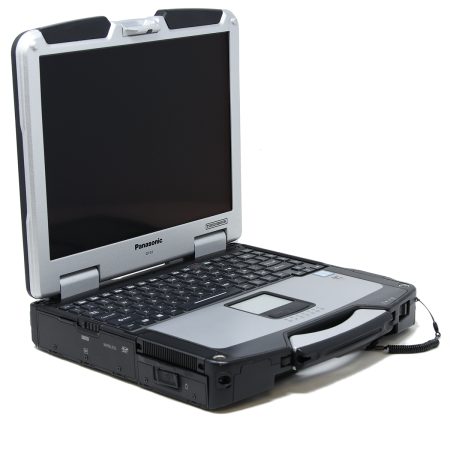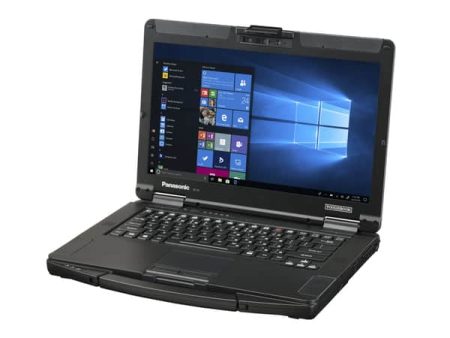





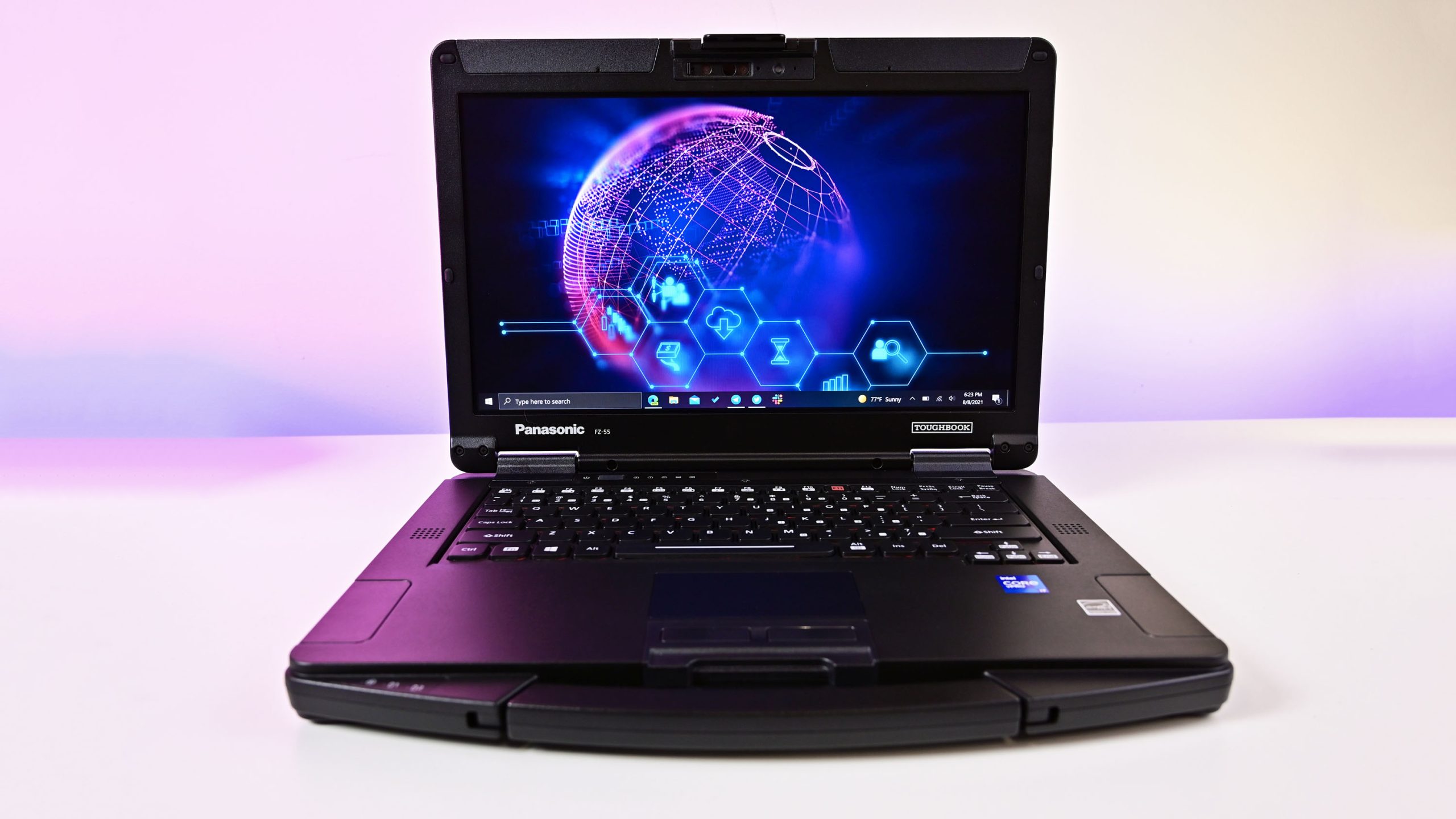
The demand for durable mobile computing continues to grow as industries rely more heavily on digital workflows in the field. From utilities and construction to transportation and public safety, organizations need devices that can perform consistently in challenging environments. One of the most widely adopted solutions in this category is the panasonic toughbook fz-55, known for its balance of durability, performance, and adaptability in real-world field conditions.
Unlike standard laptops designed for office use, rugged devices like the FZ-55 are built to withstand environments where dust, vibration, moisture, and temperature changes are part of daily operations. Field professionals often work in unpredictable settings such as roadside service areas, construction zones, utility sites, and mobile command units. In these scenarios, equipment failure can disrupt entire workflows, making reliability a critical requirement rather than a preference.
The FZ-55 stands out because it combines rugged engineering with modern computing capabilities. Its reinforced chassis, shock-resistant structure, and sealed components help protect internal hardware from external damage. At the same time, it supports current operating systems and business applications, allowing field teams to run essential software without performance limitations commonly found in older rugged devices.
Another important factor driving adoption is flexibility. Field workers rarely operate in a single fixed location. They move between vehicles, job sites, warehouses, and remote locations throughout the day. The FZ-55 is designed to support this mobility with features such as hot-swappable batteries, optional integrated handles, and configurable ports that allow connection to a wide range of field tools and diagnostic equipment.
Visibility in outdoor environments is another practical advantage. Many field tasks require working under direct sunlight or in low-light conditions such as early morning inspections or night operations. The display on rugged devices like the FZ-55 is engineered for readability in varying lighting conditions, helping workers maintain productivity without needing to relocate or adjust their working environment.
Connectivity is also a key requirement for modern field operations. Teams rely on cloud platforms, real-time reporting systems, GPS tracking, and specialized software to coordinate work across locations. The FZ-55 supports multiple wireless and wired connection options, ensuring stable communication between field teams and central systems. This reduces delays in data transfer and improves decision-making speed.
Security is another essential consideration for organizations deploying mobile devices. Field laptops often store sensitive operational data, including client records, infrastructure details, and service reports. The FZ-55 supports enterprise-level security features such as encryption, biometric login options, and secure boot configurations. These protections help ensure that data remains secure even if a device is lost or accessed by unauthorized users.
Cost efficiency also plays a role in device selection. While rugged laptops are generally more expensive than consumer-grade devices, they are designed for long-term use in demanding environments. This reduces the frequency of replacements and repairs, which can significantly lower total operational costs over time. For organizations managing large field teams, this long-term value is an important factor in procurement decisions.
Another advantage of the FZ-55 is its compatibility with legacy systems and industrial tools. Many industries still rely on older diagnostic equipment or specialized software that requires specific ports or connection types. The configurable interface of the FZ-55 allows it to integrate with these systems without requiring additional adapters, reducing friction in field workflows and improving efficiency.
Performance is also a key strength. Unlike older rugged devices that often sacrificed speed for durability, the FZ-55 is designed to handle modern workloads. Field applications such as mapping software, asset management systems, and real-time reporting tools run smoothly, allowing workers to complete tasks without unnecessary delays. This balance between durability and computing power is essential for today’s mobile workforce.
Battery life and power management further enhance usability in field environments. Workers may spend long hours away from fixed power sources, making reliable battery performance essential. The FZ-55 supports extended battery configurations that allow users to continue working without frequent interruptions. This is particularly useful for utility crews, inspectors, and emergency response teams operating in remote areas.
While the FZ-55 is designed for long-term reliability, proper configuration and deployment remain important. Organizations should ensure that devices are set up with appropriate software, updated security patches, and hardware configurations that match field requirements. This helps maximize performance and ensures that the device operates effectively in its intended environment.
As industries continue to adopt digital tools for field operations, rugged laptops like the FZ-55 are becoming central to operational workflows. They enable real-time communication, improve data accuracy, and support mobile decision-making across distributed teams. This shift toward mobile-first operations is transforming how organizations manage fieldwork across sectors.
Ultimately, the Panasonic Toughbook FZ-55 represents a practical balance between durability, performance, and field usability. It is not just a laptop but a core operational tool for teams that depend on reliable technology in challenging environments. Its continued adoption across industries highlights the growing importance of rugged computing in modern field operations.
For organizations evaluating rugged computing solutions and seeking dependable devices designed for demanding field conditions, Tough Rugged Laptops offers a range of field-tested systems built to support productivity, reliability, and long-term operational success.