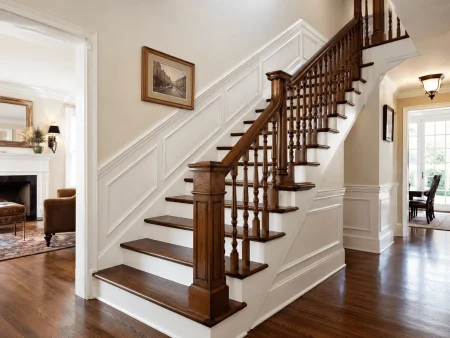





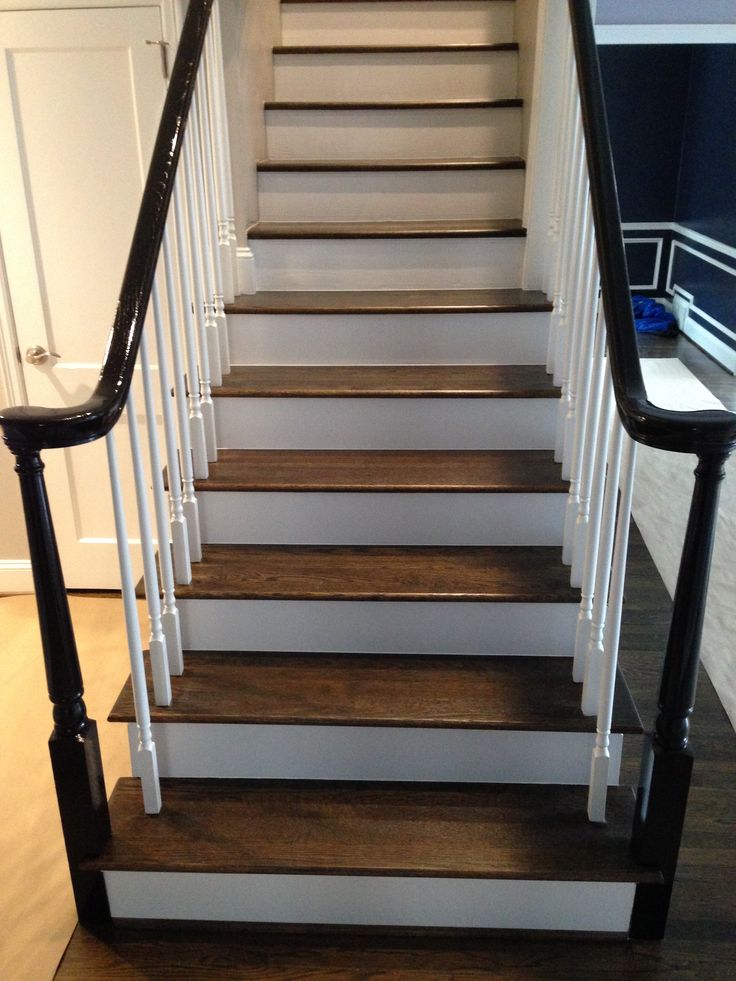
Hardwood stair treads need a finish that can handle daily foot traffic, cleaning, scuffs, and the natural movement of wood. For flooring dealers, remodeling contractors, stair installers, builders, architects, and interior designers, choosing the right polyurethane for stair treads is an important part of a successful stair project. The finish affects how the stairs look, how they feel underfoot, and how well the surface holds up after installation.
Why Stair Tread Finish Matters
Stair treads are among the most used wood surfaces in a home or building. Unlike trim or wall paneling, treads receive direct pressure every day. Shoes, pets, furniture movement, dust, and routine cleaning can all affect the surface over time.
A good finish helps protect the hardwood from wear while giving the tread its final appearance. It can make the wood grain stand out, add warmth, create a smoother surface, and help reduce visible damage from regular use. Without the right finish, hardwood treads may show scratches, dull areas, stains, or uneven wear sooner than expected.
For trade buyers, finish selection is not only a design choice. It is also a performance decision. A contractor may install a beautiful set of hardwood stair treads, but if the finish does not fit the use level of the space, the customer may be disappointed later. This is why finish planning should happen before the project begins.
What Polyurethane Does for Hardwood Treads
Polyurethane is commonly used on hardwood because it creates a protective coating over the surface. Once cured, it helps shield the wood from daily wear, moisture from routine cleaning, and minor surface damage.
For stair treads, this protection is especially useful. Stairs often show wear in the center of the tread where people step most often. A properly applied polyurethane finish can help the tread keep its appearance longer and make maintenance easier.
Polyurethane can also affect the look of the wood. Some products give the surface a warmer tone, while others keep the color closer to its natural shade. The sheen level also matters. Matte and satin finishes can give a softer look, while semi-gloss and gloss finishes create more shine. Designers and homeowners should choose sheen based on the style of the space and the level of visible traffic expected.
Oil-Based vs. Water-Based Polyurethane
Oil-based and water-based polyurethane can both be used for hardwood stair treads, but they have different qualities. Oil-based polyurethane often adds warmth to the wood and may give the surface a richer tone. This can work well for traditional interiors, darker stains, and projects where a deeper wood appearance is desired.
Water-based polyurethane usually dries faster and tends to have less odor during application. It can also keep lighter wood species closer to their original color. This may be useful for modern designs, lighter stains, or spaces where keeping the wood tone clean and natural is important.
Contractors should consider the project schedule, ventilation, stain color, wood species, and customer preference before choosing between the two. Dry time and cure time are also important. A finish may feel dry before it is fully cured, so stair use should follow the product instructions.
Preparation Affects the Final Result
Even a good polyurethane product can perform poorly if the wood is not prepared correctly. Stair treads should be clean, dry, and properly sanded before finishing. Dust, debris, old finish, oil, or uneven sanding can affect how the polyurethane bonds to the surface.
Sanding should be consistent across each tread. Uneven sanding can cause stain and finish to absorb differently, which may create blotchy or uneven areas. After sanding, the surface should be cleaned carefully so that dust does not become trapped in the finish.
Application technique also matters. Thin, even coats are usually better than heavy coats. Heavy application can lead to bubbles, drips, slow drying, or an uneven surface. Light sanding between coats may be recommended depending on the product instructions.
Ventilation is another important part of finishing. Proper airflow can help with drying and make the work area safer and more comfortable. Installers should always follow the finish manufacturer’s safety and application guidance.
Prefinished vs. Site-Finished Stair Treads
Trade buyers often need to decide whether prefinished or site-finished stair treads are the better fit for a project. Prefinished treads arrive with the finish already applied. This can reduce jobsite dust, drying time, odor, and disruption. It can also help provide a more controlled finish appearance.
Site finishing may be preferred when the staircase must match existing flooring, trim, or a custom stain. It gives more control over color adjustments but usually requires more jobsite time and careful planning.
For remodelers working in occupied homes, prefinished stair treads can help reduce inconvenience for the homeowner. For custom projects, site finishing may offer more flexibility. The right choice depends on project goals, timeline, budget, and design requirements.
What Trade Buyers Should Consider
Flooring dealers and retailers can help customers by explaining the role of finish in stair tread performance. Many buyers focus first on wood species and color, but they also need to understand durability, sheen, maintenance, and installation timing.
Remodeling contractors and stair installers should discuss finish expectations early. Customers may have strong preferences about shine, color depth, and how soon the stairs can be used after finishing. Clear communication can help prevent misunderstandings.
Homebuilders need finish choices that work with the full interior package, including flooring, railings, trim, doors, and cabinetry. Architects and designers should think about how the stair finish will look in natural light and how it will connect with nearby materials.
A well-finished staircase can become one of the most polished features in a home or building. When polyurethane is chosen and applied correctly, it can help protect hardwood stair treads while supporting the desired design.
For hardwood stair treads, finishing guidance, risers, handrails, and related stair parts for residential and trade projects, visit Wood Stair Co to review options for your next stair remodel, installation, or new build.